JOYLIM16

JOYFUL LIFE OF JOY LIM

2016年10月10日

I Had Panic Attacks Every Single Day — Then I Tried Yoga

by Shauna HarrisonOctober 6, 2016 3:33 AM

The ancient practice of yoga is an amazing way to alleviate anxiety and depression. If anyone is proof of this, it's Shauna Harrison, a California-based fitness and yoga instructor with a Ph.D. in public health. These days she radiates calm, happy vibes—but that wasn't always the case. When she was a senior in college, Shauna suffered from anxiety attacks every single night. When she swung by the mbg office, she told us how she put an end to her attacks once and for all.

When my first anxiety attack came on, I had no idea what it was.

I was a senior in college, and when the symptoms first came on, I thought I was dying. I couldn't see anything, I thought I was going to pass out, and my heart rate was out of control. I was an RA at the time, and I was responsible for all these people on my floor. I didn't know what to do because I couldn't breathe, so I called an ambulance, and one of the other RAs came by and asked if I was OK. I told him I wasn't, so he stayed with me until the ambulance came.
Once they got there, they said they weren't really sure what was going on. They thought I seemed OK, and they brought me to the ER and ran all these tests, and they still had no idea what it was—but they mentioned something about anxiety.
So I went to the doctor and said, "I think I just had an anxiety attack; what can I do?" So they handed me Klonopin, which is a sedative. And I was like "OK, I'm in my senior year of college. The reason this is happening is because I'm trying to do a ton of things; I can't take a sedative.”

When the anxiety attacks didn't stop, I realized I had to make a serious change.

After my initial anxiety attack, I started having smaller anxiety attacks every night. And anxiety attacks start to become self-perpetuating because you become scared that you're going to have them, and then they just keep happening. My days seemed to go OK, but the second I would walk in the door of my apartment I would have an anxiety attack.
So I went to my family doctor, and she suggested I try an anti-anxiety/antidepressant type of medication and yoga. So I started yoga and Pilates at the same time. I went to a Bikram class first, and I got a Pilates private lesson. I loved them both. I was on medication at the same time, and I started to really, really love both yoga and Pilates because of the breath and the control of the breath.
I didn't come into yoga for the fad of it. I was initially there for the breath because I didn't have it. And I needed it.
 

Once I learned how to use my breath, every time I felt like I was getting an attack I would do this super basic breathing. And I mean, ujjayi breath works for anything. Then I started doing yoga every day and my anxiety was totally under control.
Photo credit: David Tufino

Then I hit a bump in the road.

Right before I went to grad school, I was in a yoga class and someone passed out right in front of me. At my feet. So then I became scared of yoga — and next thing I knew yoga was causing me anxiety. I just kept thinking, what if I pass out? So I didn't do yoga while I was doing my master's program in LA, which was a huge mistake. It caused all these health problems because of the stress, and my body just freaked out. I was diagnosed with fibromyalgia and chronic pain, and I was just not connected to my body at all. I had also gone off my medication because the yoga had worked so well, and I had to get back on it.

When I got into a Ph.D. program at Johns Hopkins, I wasn't sure if it was a good idea to go.

When I got a full ride to Hopkins, I was super close to not doing it because my body was not able to function. I was still working out, but it didn't feel right. I was able to function enough to do my job, but when I got to Hopkins, my anxiety was full-fledged during that first month. So I went back on the medication, and that helped, but at the same time, as part of the program, they wanted us to do some kind of health class. So I decided to make that yoga. And it did all the glorious things that yoga does.
It brought me back. It took me a while, but it brought me back, and at that point I was sold on making sure yoga and Pilates were part of my life—so I decided to get my yoga certification. I felt like I was in much more control over the rest of my body and my mind.
I didn't come into yoga for the fad of it. I was initially there for the breath because I didn't have it. And I needed it.

This is my No. 1 tip for anyone suffering from anxiety attacks.

You're not alone. Know that there are a lot of people dealing with anxiety, and you're not crazy. I think even just stopping to breathe can help. Anything you can do that makes you feel whole—gardening, going for a walk, being with your dog. Maybe yoga isn't for you, but regardless, it will have benefits. Find something that will bring you back to who you are and centers you.
时间: 十月 10, 2016 没有评论:
通过电子邮件发送BlogThis!分享到 X共享给 Facebook分享到Pinterest
标签: 心理治疗日记

On Being Unattractive

Marty Nemko Ph.D. How To Do Life

Upsides, downsides, and what you might do.
Posted Oct 09, 2016 
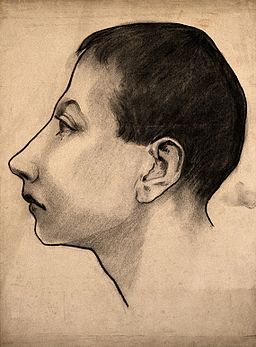
 Wellcome Images, CC 4.0Among the genetic lottery's prizes is an attractive face.
A large body of research has found that, across races and cultures, people with certain facial characteristics are widely viewed as more attractive.
Sure, we can do things to enhance our looks but, if you were born unattractive, you do start life with a strike or two against you.
Upsides
Unattractiveness does have its upsides.
  • You can't get by on your looks, so you're more likely to work on developing an engaging personality.
  • You're less likely to be "stuck up" than are "The Pretty People."
  • Some attractive people complain of being "hit on," or the legal term, "unwanted advances." That's less likely if most people perceive you as unattractive. 
  • You're less likely to cheat in a monogamous relationship because fewer people want an affair with an unattractive person.
  •  Unattractive people offer the potential for surprise. We tend to perceive attractive people as more competent, even though, as adults, it turns out to be untrue .So if you turn out to be proficient, people might particularly appreciate you. For example, the judges and audience sneered and rolled their eyes on seeing Susan Boyle come on stage at Britain's Got Talent. But as soon as she started to sing, they, even the blase Simon Cowell, cheered, in excess of her singing talent. Better singers receive weaker responses. 
Downsides
Alas, unattractiveness does have its downsides.
  • Not only do infants prefer attractive faces, adults prefer attractive infants. And I'm not just talking about strangers saying, "What a cute baby!" versus "What a baby!"  A series of studies found that caregivers pay more attention to attractive babies.
  • Of course, school children's cruelty to unattractive kids is legion. Unattractive kids are more likely to be ostracized and bullied.
  • Dating is harder. Infants' preference for attractive faces matures into teen and adult sexual preference for an attractive face.
  • Employers, co-workers, and customers aren't immune. We are visual--No matter how much we're urged to value substance over appearance, as cited earlier, we tend to overvalue appearance. That's true not only in hiring and promotion, but personnel evaluator Michael Scriven concludes that the unattractive person's comments tend to be given less credibility.
  • Indeed, even famous people have been cruel to the unattractive. For example,
 Amy Sedaris said,  "I'd just much rather see an ugly person take the trash out than see somebody really pretty taking the trash out."
Robin Williams said, "Never pick a fight with an ugly person. They've got nothing to lose."
Oscar Wilde said, "It is better to be beautiful than to be good. But... it is better to be good than to be ugly."
Just imagine if they had said such things about an ethnic group, race, or sex! Lookism is the last acceptable ism.
  • And in perhaps the ultimately cruelty to the unattractive, being unattractive is correlated with poor health.
What to do?
As usual, there are no magic pills, but you might consider one or more of these options:
Demonstrate self-acceptance. Being matter-of-fact or even making light of your looks usually garners respect. It demonstrates that you're comfortable in your own skin and avoids others needing to dance around the issue. So, for example, if you and a friend are going somewhere in hopes of meeting a romantic partner, you could say, with a smile, "I'm your perfect wing man. No one would pick me over you."
Personality can trump physical unattractiveness. Recognize that personality can trump looks. Don't you know someone you found unattractive but after you got to know them, they seemed more attractive or that it didn't matter?
Make the most of your looks. Everyone can look better by keeping your weight under control and with the right choice of hairstyle, clothes, posture, and, for women, makeup. It may be hard to judge ourselves so you might want to seek the advice of a friend or professional you trust. But don't surrender too much power to them. Ultimately, you'll likely feel best if, like all wise leaders, you consider others' input but then make the final decision based on your own judgment.
Consider cosmetic surgery. I am well aware of the counterarguments, for example, that it mitigates against self-acceptance and utilizes our ever scarcer medical resources on a discretionary procedure. But lookist species that we are, a person born with an unattractive face, through no fault of his/her own, is likely to pay a price, professionally, in relationships, and in self-esteem. Good cosmetic surgery may yield rewards far in excess of its price. I have had a number of clients who have had, for example, "a nose job" and are thrilled. Of course, surgeons vary, so do your due diligence: Read Yelp reviews, talk with three surgeons. You might even talk with each receptionist---Many of them have heard a lot and may be candid. It can't hurt to ask a question such as, "I'm also considering Dr. Y and Dr. Z. Candidly, do you have an opinion as to who should do my surgery?"
article continues after advertisement
Smile more. It's amazing how a smile makes you more attractive.
The takeaway
We all have assets. If looks isn't one of yours, do remember that even a liability can sometimes be used to advantage or at least mitigated. After you've done that, focus on self-acceptance and on redirecting your efforts to building on your strengths.
And whether you're attractive or not, in dealing with others, you might ask yourself, "Am I judging too much on appearance?" For example, in a group conversation, when you hear a worthy comment from an unattractive person that's too little credence, you might make special effort to support that position, for both ethical and pragmatic reasons.
时间: 十月 10, 2016 没有评论:
通过电子邮件发送BlogThis!分享到 X共享给 Facebook分享到Pinterest
标签: 心理治疗日记

8 Activities With Serious Health Perks That Aren’t Exercise

March 22, 2016 | By Kathleen Mulpeter

Photo: Getty Images
When it comes to your health, you already know how important it is to eat well and stay active. But other hobbies and lifestyle changes—that have nothing to do with diet or exercise—can also offer a big payoff for your wellbeing. Try incorporating a few of these activities into your routine to benefit from reduced stress levels, lesser risk of certain diseases, lower blood pressure, and much more.
RELATED: 25 Scientifically Proven Ways to Be a Happier Person

1. Knitting and crocheting

It might be time to pick up that half-finished crochet project again. Repetitive activities that put your hands to work can help relieve stress by getting you out of your head. Plus, a 2013 survey of 3,500 knitters uncovered a link between knitting and cognitive function: the more people knitted, the better brain function they had.

2. Volunteering

That warm, fuzzy feeling you get after volunteering at the local soup kitchen or donating to a good cause has tangible health perks. Giving back to others has been linked to lower blood pressure, reduced stress, and even a longer lifespan. In a recent study published in the American Journal of Public Health, researchers discovered that people who displayed acts of generosity seemed to be protected against stress. Those who didn’t give back as frequently during the study had a 30% higher risk of dying after a stressful life event.
Generosity also boosts your mood in the short term: A 2007 study found that donating money activates the same pleasure-related centers in the brain as spending it does.
RELATED: 13 Ways to Beat Stress in 15 Minutes or Less

3. Playing with your pet

Good news for those with furry friends: Caring for a pet has been shown to decrease blood pressure, cholesterol levels, triglyceride levels, and reduce feelings of loneliness, according to the CDC.
And dog owners might experience additional benefits, since walking your pup is a good form of exercise and can prevent weight gain. According to a 2011 U.S. National Institutes of Health-funded study of 2,000 adults, people who regularly walked their dogs were more physically active and less likely to be obese than those who did not.

4. Cooking

It should come as no surprise that a home-cooked meal is healthier than one you’d get at a restaurant, where dishes are often prepared with lots of salt, butter, and oil. According to a 2014 study, people who regularly eat at home consume about 130 fewer calories daily than those who do not. And teaching children how to cook healthy meals with fresh ingredients has been shown to help curb obesity.
RELATED: How to Prep Once and Eat Healthy All Week

5. Gardening

Growing your own fruits, veggies, and herbs does more than provide fresh bounty for the dinner table. Studies have shown that gardening is better than other leisure activities for fighting stress. It might improve depression symptoms, too, since the sights and smells of a garden promote relaxation.
Research also suggests that gardening can lower your risk of developing dementia. In two different studies, people in their 60s and 70s who regularly gardened had a 36% and 47% lower risk of developing dementia than non-gardeners did.
You shouldn’t discount the physical activity gardening entails, either: According to a 2013 study in the American Journal of Health Promotion, short stretches of moderate “lifestyle” activities such as gardening can be just as beneficial as a trip to the gym.

6. Meditation

There’s a reason why meditation has been around for thousands of years. The ancient practice has been linked to a slew of health benefits, including improved digestion, lowered blood pressure, reduced stress-induced inflammation, and the release of mood-boosting chemicals like serotonin and dopamine.
Meditation can also help ease pain. In a recent study published in the Journal of Neuroscience, researchers concluded that meditation could alleviate pain intensity by 27% and emotional pain by 44%. Shockingly, that’s more than the opioid morphine, which reduces physical pain by 22%.
RELATED: 6 Healthy Habits All Women Share

7. Coloring

As with knitting, crafty projects such as coloring, drawing, or painting can have powerful mental health benefits. Studies have shown that art therapy can help you relax and ease stress and anxiety. One study published in Western Journal of Medicine concluded that art therapy might help treat depression in troubled adolescents, who can use it as a way to express their feelings. Another study found that creative projects like art therapy, music, and expressive writing could have healing benefits.

8. Traveling

Let this be the push you needed to book that trip abroad: Taking time off from work (yes, that means not checking your email) can reduce your risk of heart attack and depression. According to a 2010 study in the journal Psychosomatic Medicine, engaging in leisure activities such as time off and travel can lower blood pressure and stress hormones.
Planning to visit one of the great wonders of the world? Even better. Recent research suggests that people who regularly experience feelings of awe might have reduced risk of getting heart disease or cancer.
时间: 十月 10, 2016 没有评论:
通过电子邮件发送BlogThis!分享到 X共享给 Facebook分享到Pinterest
标签: 心理治疗日记

2016年10月7日

8 Things I Do Every Day To Keep My Hormones Balanced: A Doctor Explains

Sponsored by Amy MD WellnessOctober 6, 2016 5:16 AM
8 Things I Do Every Day To Keep My Hormones Balanced: A Doctor Explains Hero Image
Photo: Stocksy

By Amy Shah M.D., as told to Lindsay Kellner.
Mood swings, bloating, brain fog, "water" weight that just won't go away … if you're struggling with any of these, it could be a sign that your hormones are unbalanced.
What's the point of balancing hormones? Living a long and vibrant life is first and foremost. Hormones rule inflammation, and inflammation is at the root of many diseases like cancer, diabetes, hypertension, and degenerative diseases like Alzheimer's.
Second, of course, we want to feel good every day! As an integrative M.D., I've dedicated my life to finding the best ways to balance hormones for my patients, my family, and myself. It wasn't easy at first, but with some trial and error, I made the mistakes, discoveries, and optimizations so you don't have to.
Below are the top seven things I do every day to keep my hormone levels in check.

1. Start the day with a solo 6 a.m. barefoot stretch in the sun.

I like to enjoy a moment to myself and prime my hormones for the day. Photoreceptors in the eye link directly to the hypothalamus in the brain, where focus, attention, and memories originate. Vitamin D helps support these neural processes, so a few moments of morning sunshine are important.

2. Drink an Ayurvedic tonic with apple cider vinegar.

Every morning, I mix warm water and organic apple cider vinegar for a morning tonic. The ACV is fermented, which is beneficial for gut bacteria and key in hormone balancing. It's pretty sour, so I like to drink this quickly!
Pro tip: This is a great way to deal with an overconsumption hangover, whether it's from food, alcohol, or both.

3. Take hormone-balancing supplements.

I recommend taking a daily mix of adaptogens, B vitamins, vitamin D, and biotin for optimal hormone health. I'm asked often about which brands are best to take, and truthfully, it's hard to tell. Adaptogens can be contaminated with heavy metals, and vitamin and mineral supplements aren't as pure as we think.
Since I like Eastern practices backed by Western science, I created the formula I couldn't buy, eliminating the hassle of having to take separate supplements and the time spent researching how each one is made. With Balance & Restore, I know the ingredients are top quality and in the right proportions. Here are the four key ingredients that help balance hormones:

Ashwagandha

Ashwagandha is a hormone-balancing root with anti-inflammatory benefits that also translate to the immune system and the gut. It combats cortisol, also known as the "stress hormone," which is really important for balancing the endocrine system.

Rhodiola

Rhodiola is understood to help mental capacity, shorten recovery time for muscles, regulate the heartbeat, and provide energy without the crash typically associated with caffeine.

Phosphatidylserine

Endurance athletes usually take phosphatidylserine for energy, focus, and improved athletic performance, but in my experience it's been helpful in balancing hormone levels.

Vitamin B12

I don't want to rely on red meats for my B vitamins, so I supplement with a plant-based formula.

4. Do a cortisol-reducing workout.

When we want to lose weight, we often will take drastic measures like signing up for a boot-camp-style class. For many people, though, this backfires. Since a workout like this is hard on the body, cortisol shoots up, making any existing hormone imbalance worse. You also may feel completely depleted afterward, causing lethargy and hunger instead of feeling energized.
My favorite cortisol-reducing workout is power yoga. It combines strength training with the relaxing nature of pairing the movement with the breath, which is inherently calming for the nervous system. Whether it's taking a long walk or doing a dance class, make sure your activity of choice leaves you feeling energized and relaxed.

5. Play!

It's a rule: For at least 15 minutes every day, I make time to play with my kids. It's nice to spend time with them, and it helps lower my cortisol levels, keeping my healthy hormone levels in check. Bonus: Take your playtime outside — it's even better for gut health to get dirty!

6. Eat dinner with the dinner trick.

I count up all the veggies I've eaten during the day and eat the remaining balance at dinner (my goal is 6 cups a day). It's my trick to make sure I'm eating enough nutrients. Veggies are prebiotics, which nourish your microbiome, and having a healthy gut prevents food sensitivity, helps regulate hormones, and promotes a good mood.
That said, dinner is also my lightest meal of the day. My current favorite dinner veggies are artichokes, asparagus, green bananas, and anything with a stalk, like broccoli.
Need a way to spice up your veggies? I love cooking with the powerful combo of turmeric, coriander, fennel, and cumin. If I don't add these spices to my meals that day, I combine them into a drinkable tonic — any way to get these energy-boosting spices in my system!

7. Wind down, and sleep a lot.

My aim is to get nine hours of sleep a night. Sometimes it's embarrassing to say, but I feel best on nine hours (everyone is different) and am a big believer in getting in as much shuteye as you need. When we sleep, our bodies really repair and heal.
I have a long wind-down routine, but here are my best tips for getting ready for bed:
  • Wear blue-light-blocking glasses. Blue light can interfere with melatonin production, so it's best to shift appliances to "night mode" or wear blue-light-blocking glasses.
  • Invert. Put your legs up the wall, do a headstand practice, go upside down in some way. I like to do this with my kids, and I do it nightly. It's deeply restorative for the body and balances hormone levels.

8. Practice intermittent fasting.

One of the reasons I eat dinner on the early side is so I can more easily do intermittent fasting. Intermittent fasting is a period of time (usually 12 hours, but with experience you can increase it) when you don't consume caloric food or drink.
Intermittent fasting helps your digestive system rest, which has anti-inflammatory effects on the body. In turn, it's inherently hormone regulating and has even been shown to benefit people with cancer — ones who fast intermittently are more likely to stay in remission.
There you have it! I know it sounds like a lot at first, but after a while, these habits become second nature. I hope you'll share your experiences with hormone balancing: Do you have any different remedies that have worked for you? Did you find success with any of these lifestyle changes? Let me know!
时间: 十月 07, 2016 没有评论:
通过电子邮件发送BlogThis!分享到 X共享给 Facebook分享到Pinterest
标签: 心理治疗日记

2016年10月6日

This Body-Reading Technique Will Heal Your Anxiety

by Dr. Ellen VoraOctober 5, 2016 5:36 AM
 This Body-Reading Technique Will Heal Your Anxiety Hero Image
Ellen Vora M.D. is a holistic psychiatrist practicing with Frank Lipman M.D. at the Eleven Eleven Wellness Center in New York City. This week, we’re sharing Dr. Vora’s expertise in a new series on natural remedies to calm the body and mind. To learn more, check out her mindbodygreen class How to Control Anxiety: Doctor-Backed Natural Remedies for a Calm & Centered Life.
In Western medicine, we have a tendency to see symptoms as annoyances that should be defeated and squashed. Anxiety is no exception. We pop pills, get drunk, stay busy, work excessively and generally distract ourselves in an effort to avoid feeling our anxiety. This is understandable—anxiety can be quite unpleasant.
But so often, the missing piece of the puzzle to heal our anxiety is to actually let ourselves feel our anxiety and listen to what it's telling us.

The Nature of Anxiety

As a holistic psychiatrist practicing in New York City, I'm guilty of making this mistake as well. When a patient tells me they have anxiety, my first thought is let's fix it. Instead of prescribing medicine right away, I work with patients to heal their anxiety through sleep, nutrition, gut healing, exercise, stress management, yoga, meditation, community, and nature.
But at the end of the day, I, too, am guilty of bulldozing right past the meaning of the anxiety. Often the clue to how to soothe anxiety is baked into the anxiety itself. When it comes to anxiety, the most important thing any of us can do is listen. Get quiet and listen.

Anxiety & Panic: Internal Body Language

Anxiety and panic are two ways the body communicates. Anxiety is often the body saying, "No, I'm not aligned with some aspect of this situation." In fact, anxiety and panic are not your body talking but your body shouting. This arises after months or years of rumblings from your body being repeatedly ignored.
Say your gut knows you're not in the right relationship or the right job, or you're not treating someone right, or you're not being treated right. It might begin with subtle signs, like irritability, a sense of unease in certain settings, or even a sense of knowing that something has to change. If all these murmurings are systematically ignored, eventually the body escalates and starts to talk louder. Enter anxiety and panic. They are serving a purpose: They are our gut feeling telling us that something isn't right.
And yet, we think of panic and anxiety as a nuisance, a discomfort, something to be suppressed with medication or alcohol. When we do this, we miss out on the message. The message itself is not a nuisance but a treasure. It's often an inconvenient truth, but it must be heeded.
Anxiety is not an annoying symptom to be suppressed or ignored. It's your body, in all its wisdom, communicating something important. Rather than suppressing this feeling, we need to listen to it. Only then will we be able to respond appropriately and treat the anxiety effectively.

How to Listen to Your Anxiety (for Relief)

How do you listen to anxiety? There are a few approaches.
You can meditate—basically sit, get quiet, aim for choiceless awareness, and see what bubbles up. You can take a cue from Freud and free associate, saying or journaling whatever comes to mind. What I find most effective with my patients is to listen to the language of the anxiety and repeat it out loud until something resonates. It might feel weird at first, but the language and theme of your anxiety offers clues to the underlying issues at play.
Do you feel most anxious when you're alone? Then you probably need to reclaim community in your life, and you need to at least take steps toward developing fulfilling relationships.
Sometimes panic always strikes on Sunday night or while you're commuting to work. Then we need to look at your feelings about your job. Perhaps you're remaining in a job because you feel you "should," when you actually strongly dislike it. Perhaps there's a boss or a co-worker with some bad juju. Speak up and do what you need to do to create a positive work environment for yourself.

Do Something About It

Only when we pause to listen to the language, the symbolism, the context of the anxiety do we get the message. Anxiety is not an annoying symptom to be squashed, suppressed, or ignored. It's your body, in all its wisdom, communicating something important.
And always remember to say thank you. Thank your body for anxiety. Thank it for being concerned about you and for taking the time and energy to start the dialogue.
时间: 十月 06, 2016 没有评论:
通过电子邮件发送BlogThis!分享到 X共享给 Facebook分享到Pinterest
标签: 心理治疗日记

2016年10月5日

7 Things to Do During Your Lunch Break (Infographic)

Breaks are important. Learn how to use them wisely. 
 
7 Things to Do During Your Lunch Break (Infographic)
Rose Leadem
Entrepreneur Staff
Online Editorial Assistant
Lunch isn’t just for gobbling down a sandwich and carrying on with your work -- it’s a time to recharge your mind. That’s why it’s important to use your breaks wisely.
Sometimes, we overlook lunch because of the emphasis placed on a healthy breakfast. Forget the food -- taking a solid lunch break increases productivity and creativity, reduces stress and increases collaboration, Harvard Business Review reveals. In fact, the most productive people work for 52 minutes and break for 17 minutes.
Rather than taking 60 seconds to chow down at your desk, take advantage of this time. It will only benefit you. Getting up and moving around, taking a quick power nap, making a call to a loved one -- these are only a number of ways to power your brain and prepare for the rest of the day.
Not sure how to make the most out of your break? Check out weekdone.com’s infographic below for seven things you can do during those precious minutes.
 
 
时间: 十月 05, 2016 没有评论:
通过电子邮件发送BlogThis!分享到 X共享给 Facebook分享到Pinterest
标签: Way to success

你总是太自私


人都是自私的,可你总是太自私。
你总要别人帮你,可你总是不帮别人。
小学老师说:“助人为快乐之本。”
圣经说:“你愿意人怎样待你,你也要怎样待人。”
可惜在你身上,都是相反的。
一起跟着M市某公会团体出门去中国。
一部分在自己本省的机票要自订,你就给个时间表,然后表明自己管自己。
本来一起出门,就一起订嘛,反正各自还各自的钱。
不过你不要一起那也没关系。
时间到了,时间表有更改,你晚上七点假好心打电话来通知说:“一定要到距离很远的机场更改。”还说:“反正我有去,顺便帮我们两张也更改一下。明天早上会把资料拿来。”
好,没关系,我帮你去,虽然很不甘心。
同一晚八点半你微信说:“女儿弄,不用我帮忙,谢谢。”
读到以上短文的人,心里有没有什么说不上的感觉。
你女儿可以弄,难到就不能顺便也帮我们的弄一下吗?不能。
因为你总是太自私。
小学那一年代,最具代表性关于自私的故事就是黑熊与两个好朋友。
两个好朋友漫步在郊野外,碰到一只黑熊。
A朋友会爬树,一看到黑熊就丢下朋友,自己爬上高高的树上。
还好B朋友急中生智,连忙装死,因为黑熊不吃尸体。
黑熊在B脸旁耳上贴贴嗅嗅,就走开了。
等黑熊走远了,A从树上下来,B从地上爬起来。
A问B:“黑熊刚刚在你耳边和你说了些什么?”
B答: “黑熊说不要和自私的人交朋友。”

时间: 十月 05, 2016 没有评论:
通过电子邮件发送BlogThis!分享到 X共享给 Facebook分享到Pinterest
标签: 写给猪

2016年10月4日

When I Was Broken, Yoga Healed Me. How Will It Heal You?

Being bad at yoga turned out to be good in a most unexpected way.

By Claire Dederer September 16, 2016
 yoga
I walked into the yoga studio, a place where I’d spent hundreds of hours, and felt an unaccustomed nervousness. This place had once been as central to my life as my bed or my desk. I performed my ritual of aligning my mat with the floorboards and smiled at the teacher. But I felt like a beginner, and frankly it sucked. And that was nothing compared to what happened once class started. For the next 90 minutes, I failed at everything, even the most basic poses. Again and again, I dropped to my mat and just sort of sat there. It was humiliating. I’d been a front-row betty! Now I couldn’t even manage a downward-facing dog.
(Sign up for our FREE newsletter to get clever kitchen tricks, gardening secrets, and more delivered straight to your inbox!)
For years, I’d had a whatever-works-for-you attitude about yoga. I knew plenty of people who didn’t like yoga—they usually had also never tried yoga. These people expressed contempt for the way it had been overrun by Lululemon ladies. Mixed into the scorn was anxiety: People who’ve never tried yoga are pretty sure they’ll be terrible at it. I know whereof I speak. Ever since 2010, when I published a memoir titled Poser: My Life in Twenty-Three Yoga Poses, people have told me—unsolicited—all their feelings about yoga. My thinking was: Fine. I do my thing, you do yours. As long as you’re paying retail for my book. 
Related: 10 Things A Yoga Teacher Learns About You Within The First 5 Minutes Of Class
That all changed in the most unexpected way. One night during my book tour, I was hurrying downstairs to print a boarding pass. I lost my footing and fell to the bottom of the steep wooden staircase. My husband found me there, passed out, my shoulder dislocated from its socket. My rehab involved lots of physical therapy with those giant neon-colored rubber bands. I tried that for half a year, but my shoulder didn’t seem to get any better, so I decided to go back to yoga. I had forgotten how it felt to enter a studio like a seventh-grader arriving at a school dance (in full Lycra). 
Despite that initial failure, I kept returning to yoga, out of stubbornness as much as anything. The physical mechanics of the poses filled my brain: Did this hurt? Could I manage that? I was present the way you need to be present when you’re rock climbing: If you’re not present, you’re gonna fall. 
After several months of this, something thrilling happened. I gingerly lifted my left arm over my head during a sun salutation one day. It was nothing, but everything. My arm had not traveled that route, to that place, for months. Performing that simple motion, which I had done thousands of times pre-injury, brought a kind of exhilaration. 
Related: 5 Gentle Yoga Poses To Set Your Tight Shoulders Free
In the months that followed, yoga helped fix me. I was worse at it than I’d been pre-injury, but I was also better. Because, even though I was constantly slightly petrified—or perhaps because I was—I had attained that elusive quality: presence.
Now I’m an evangelist. I believe there are only two universal truths: (1) No one should get a face tattoo (unless they’re Maori) and (2) everyone should try yoga. You might hate it. But you also might fix something that’s broken.
时间: 十月 04, 2016 没有评论:
通过电子邮件发送BlogThis!分享到 X共享给 Facebook分享到Pinterest
标签: 心理治疗日记

3 Holistic Techniques You Can Do Now To Feel Less Anxious

by Dr. Ellen VoraOctober 3, 2016 5:37 AM
 3 Holistic Techniques You Can Do Now To Feel Less Anxious Hero Image
Ellen Vora M.D., is a holistic psychiatrist practicing with Frank Lipman M.D., at the Eleven Eleven Wellness Center in New York City. This week, we’re sharing Dr. Vora’s expertise in a new series on natural remedies to calm the body and mind. To learn more, check out her mindbodygreen class How to Control Anxiety: Doctor-Backed Natural Remedies for a Calm & Centered Life.
When it comes to treating anxiety, it can sometimes take months or even years to effectively address the root of the problem. As a holistic psychiatrist, acupuncturist, and yoga teacher practicing in New York City, I've learned a few easy "tricks" that can help people feel less anxious immediately. I'm always surprised that these aren't more well-known since they're so simple and they work so quickly. Here are three tips I tell everyone to try when they first tell me about anxiety.

1. Stabilize your blood sugar.

Problem: Anxiety occurs when the body is tripped into the "fight-or-flight mode" or "stress response." Sometimes the stress response is out of your control, like during a big presentation at work or traffic on your commute, but other times it's completely preventable. One very common and preventable cause of stress response is low blood sugar. Many of you are already familiar with the experience of feeling "hangry" (hungry/angry). For some people, blood sugar dips cause anxiety. And most of the time these folks aren't even aware of this connection. If this is you, you can make yourself significantly less anxious by maintaining stable blood sugar.
Solution: The definitive solution is to cut out (or down) sugar and refined carbohydrates, eat plenty of healthy fats and protein, and stick to safe starches like sweet potatoes and plantains. Short of that total diet overhaul, you can also rely on something like coconut oil or sprouted almond butter to give yourself a blood sugar safety net. If you feel your blood sugar crashing, take a spoonful of coconut oil or almond butter. If you're running out of the house and you know you'll be on the go without much time to pause and eat, take a spoonful. If you're about to go to bed and you often wake up in the middle of the night or in the morning with racing thoughts and anxiety, take a spoonful before bed. If you're headed to a happy hour or a wedding, and you know there will be booze aplenty but not necessarily healthy food, take a spoonful. You can even carry portable almond butter packets in your bag so you can always have a spoonful on hand. Taking these precautions to keep your blood sugar stable can prevent your body from going into a stress response, and this will curb your anxiety fast.

2. Cut out caffeine.

Problem: Nobody likes this one. Drinking coffee is our favorite ritual, culturally. It's warm, comforting, delicious, trendy, and often it's the only thing getting us out of bed in the morning. But if you suffer from anxiety and you consume any form of caffeine, it behooves you to at least do try life without caffeine for an extended period of time (not just a day). Caffeine makes your body much more likely to get tripped into a stress response—it's as though it makes your nervous system ready for a fight. If you combine coffee with a busy life and a stressful job, that's enough to make almost anybody anxious. You'll be able to handle the busy life and stressful job much more calmly without coffee revving up your nervous system.
Solution: A word of caution: Proceed slowly with any adjustments to caffeine consumption. Caffeine withdrawal is no joke, so make gradual adjustments and allow your body to acclimate before you take the next step. If you drink three coffees a day, go down to two. If you drink one cup, change it to half-caf. If you're drinking black tea, try green tea. And if you're a green tea drinker but still experiencing anxiety, do a trial completely off caffeine. Removing caffeine from the equation can make you more resilient to stress and lessen your daily anxiety level.

3. Try two (everyone has two!) minutes of breathwork.

Problem: Many of you know that breathing exercises are a powerful antidote to anxiety. They put the body directly into the relaxation response, which is the opposite of the stress response. This relaxed state protects us from anxiety, and can even treat anxiety as it's happening. Breathing exercises are safe, effective, free, and available to us anytime, anywhere. So why aren't we all doing daily breathing exercises?
Solution: Starting a new habit is always the hardest part. If I had the secret key to unlock the challenge of human behavioral change, believe me, I would share it with you. Let's at least say this: Lower your standards. Rather than holding onto a perfectionistic approach to meditation (I'll meditate when I have a half hour to devote to it, and I have a comfortable, quiet spot, and there's nothing left to do on my to-do list, and the moon is in conjunction synastry with Capricorn ascendant...then I'll meditate). No. We must collect ourselves to meditate today, right now, while there are tons of urgent matters waiting for our attention, while we feel like we have no time. That is when the magic happens. So set aside the phone or computer and after reading this article, just sit and focus on your breath.
Here's a super-quick and easy breathing exercise to combat anxiety. It's called the 4-2-4 breath. Inhale to the count of 4, hold the breath for 2 counts, and exhale to the count of 4. Set a timer and do this for two minutes at least once a day, or whenever you're anxious. Everybody has two minutes.
While these tips may not get you the same benefit as seven years of therapy or living in sync with nature in a utopian community, I hope you're able to at least put these three simple steps into action tomorrow (or even today) to curb your anxiety quickly.
时间: 十月 04, 2016 没有评论:
通过电子邮件发送BlogThis!分享到 X共享给 Facebook分享到Pinterest
标签: 心理治疗日记

Are You Living Well?: 10 Questions You Have to Answer

Atalanta Beaumont Handy Hints for Humans

5. How fast are you going?
Posted Sep 16, 2016 
 Markevich Maria/ShutterstockI know from my own experience and behavior, and that of my clients, that it's very easy to forget which behaviors are good for me. This is particularly true when I’m stressed, tired, excited, or out of my usual environment. At times like these, good habits are forgotten and beneficial behaviors go by the wayside.
I strongly suspect this is the case for most people, so I've created a well-being checklist to help you get back on track and support yourself. By practicing some of these behaviors you can lessen your stress and stop yourself from becoming burnt out or exhausted. As a result, you'll feel more relaxed and able to enjoy your leisure time.
  1. What’s my sleep like? 
    Most people need six to seven hours of good quality sleep. (There are exceptions, but not many.) Make sure you are not overstimulated before bed, and don’t eat a heavy meal, exercise, or use electronic devices within two hours of going to sleep.
     
  2. What’s my digestion like? 
    Eating too much fat and sugar, having too much caffeine, and eating a high-carbohydrate diet depletes our energy, even if we get an initial boost from it. Small amounts of good protein, fruits, vegetables, seeds, and nuts all support our system. Try to nurture your gut by chewing your food well and not eating in a hurry. And follow the 80/20 rule by eating well 80 percent of the time and pleasing yourself 20 percent of the time.
     
  3. How much do I drink? 
    First, are you hydrated? Make sure you get enough liquids on hot days and busy days, preferably water. Second, how much alcohol do you drink? Alcohol is a depressant that slows down your immune function and can damage your liver and cells. Try to have three or four days when you don’t drink, and keep an eye on quantity. Also, alcohol disrupts your sleep pattern. (See: National Institution on Alcohol Abuse)
     
  4. How do I feel about myself? How’s my self-esteem? 
    Do you like yourself and think you are doing a good job in or out of the home? You can improve your well-being by recognizing when you do well: Finish the laundry, then sit and have a cup of coffee. Got that project done on time? Treat yourself to your favorite sandwich. When things don’t go so well, be your own cheerleader. What can I learn from this? Maybe I need to ask for help. Make your self-talk positive.
     
  5. How fast am I going? 
    Speeding up is a natural response when we are under stress. Unfortunately it tells our body and brain that there is a threat. Initially you will be able to respond faster, but soon you will exhaust yourself and become anxious. Slow down and assess the situation. Maybe you need more help, maybe the tasks you have to complete in one day are too numerous, or maybe your expectations are unrealistic.  Whatever the case, driving yourself forward is not the answer. Learn to prioritize and be realistic and let the rest go.
     
  6. Do I regularly multitask? 
    Constantly doing two or three things at the same time means you do none of them to the best of your ability, and you fail to get the most out of what you are doing. If you’re at your child’s school play and you’re texting, where’s your focus? How much are you enjoying yourself? Juggling is not a good thing to do every day unless you work for the circus. There’s a reason we don’t ask surgeons to re-wire our houses or plumbers to teach physics or professors to cook restaurant meals. I’m sure there are people who are multi-talented but specializing is better for us (and usually better for those around us).
     
  7. Do I have one or two really good friends I can count on, and do I keep in touch with them? 
    Social contact with people who know and understand us is supportive and relaxing. Humans are social animals who need nurture, contact, and approval. Make sure you're getting this. We need to be with people with whom we can just be ourselves and be appreciated for who and how we are. If your family doesn’t fit the bill, seek out friends who do and make sure you nurture these relationships; they can keep you afloat when something goes seriously wrong and support you and engender resilience in everyday life. (see: Weiss, R.S. (1974), The Provisions of Social Relationships)
     
  8. How much of my day do I spend interacting with electronics instead of people?
    This is fine, up to a point. You may be an IT specialist and that’s your job. However, humans need human contact for support, self-worth, and fun. Make sure that you put away your phone and turn off the computer and TV now and again and have an “electronics holiday.” We are not designed to have relationships long distance. Contact and interaction support our humanness and well-being. Make sure you get your share.
     
  9. What do I do on a daily basis that gives me leisure and/or pleasure? 
    We all need downtime. Do you have a hobby? Do you read? Do you play a sport? Humans are designed to play, so try to find time for something that you enjoy that gives you a break from your normal tasks. Additionally, do you take pleasure in small everyday things? This can be as simple as a cup of coffee on your way to work, enjoying the view from your office window, or appreciating the man who always says hello to you. Don’t take these things for granted—everyday small pleasures improve our life. You can join in by smiling at people and saying thank you for small courtesies.
     
  10. How grateful am I? 
    A sense of gratitude can boost your well-being and even alleviate depression. I suggest that at the end of every day you find at least three things to be thankful for. They can be basic, simple things, such as “the roof over my head” or “legs that take me wherever I want.” This brings into your awareness how fortunate you are. Not everyone has these things. Don’t forget to thank your family, partner, and friends, too. People who feel fortunate and express gratitude are more optimistic and resilient. If you do this every day for a month, the list of positive things you notice will grow exponentially and the list of things that are wrong in your life will shrink and lose their ability to affect you.
Remember, this is my list, compiled from working with clients and monitoring my own bad habits, so not everything on it may resonate with you. We are designed to pick up when things aren’t right for us, so trust your instincts and start to support yourself both physically and mentally—you'll see your well-being soar.
时间: 十月 04, 2016 没有评论:
通过电子邮件发送BlogThis!分享到 X共享给 Facebook分享到Pinterest
标签: 心理治疗日记

Escape from Loneliness: Is Living Alone the Unlikely Answer?

Bella DePaulo Ph.D. Living Single

New research shows that people who live alone are less lonely.
Posted Sep 26, 2016 
 Andrey_Popov/ShutterstockThe authors of the book Loneliness describe their concern that Western societies do not take the inherent gregariousness of humans seriously enough. They note that “the latest figures show that ever-greater numbers of people are accepting a life in which they are physically, and perhaps emotionally, isolated from one another.” Among the evidence they cite in support of that fear is the growing number of people who live alone.
It seems intuitive that people who live alone would be lonelier than people who live with others. Most single people do not live alone, yet single people are believed to be lonelier than married people. I’ve found evidence of this in my own research, and researchers in other countries have as well.
A new study of loneliness, based on a large sample of German adults, examined the links among loneliness, living alone, and living single. The research was based on data collected in 2013 from more than 16,000 Germans ranging in age from 18 to 103, who represented more than 10,000 households.
The authors found that when they compared people who lived alone to people who lived with others—focusing on that key aspect of their living arrangement and not letting other factors muddy the picture—the people who lived alone were less lonely.
They also tried to make the case that single people are lonelier, and seemed to imply that if they were to get married, their loneliness would subside. But they ended up showing that they really don’t understand basic methodologies, and that they don’t appreciate, psychologically, how the experience of living single after you get divorced or become widowed could profoundly differ from the experience of living single all your life.
Loneliness and Living Alone: The Link Is Not What You Think
When the authors simply compared the people who lived alone with those who lived with others, the people who lived alone reported more loneliness. But people who live alone differ from the people who live with others in all sorts of ways, so we don’t know, without looking more closely, if living alone really is linked with greater loneliness.
Fortunately, the authors took this step. They found that one way people who live alone differ from others is in their income. So they controlled for income statistically, which means that they essentially compared people at the same level of income to see how loneliness differed between those living alone and those living with others.
Here’s what they found: When people who live alone have the same income as people living with others, the people who live alone are less lonely.
The authors conclude that “living alone may even have beneficial effects on the quality of one’s social relationships” and add, as researchers often do, that more research is needed. Many studies already show the ways in which single people are more connected to other people than married people are, and demonstrate that it is the people who marry, rather than those who stay single, who become more insular.
article continues after advertisement
The research does not show that living alone is a cure for loneliness. Among the people who live alone are those (we don’t know exactly how many) who chose to live that way. If people who prefer living with other people were urged to live alone, we don’t know what would happen. Maybe they would make an effort to form and maintain the kinds of social ties that keep loneliness at bay. Or maybe they would just end up lonely.
The Link Between Loneliness and Single Life
The authors used their data to compare three groups:
  • People who are single and not living with a partner;
  • People who have a romantic partner but are not living together; and
  • People who are living with a romantic partner (and are often married).
They think they know what they are going to find, because in their view, previous research shows that, “Being married is robustly associated with lower levels of loneliness.” They report that in their own research, “average loneliness levels were highest among singles and lowest among those living with their partners.”
It seems the authors are trying to tell us that if only those poor single people would get married, their loneliness would dissipate. The authors never quite say that married people are less lonely because they are married, but that seems to be the implication.
The problem is, neither their data, nor the data from the previous research they cite, could ever establish that getting married causes people to be less lonely. In fact, the design of the studies and the comparisons they use are a set-up, biased to make married people look less lonely than they really are. The studies compare only people who are currently married (or living with a romantic partner) to those who are single. They set aside all of the people who got married, felt desperately lonely in their marriage, and then got divorced. No, wait—the authors of this paper did not set them aside. If the people who got divorced are still single, the authors included them in the single group, along with the lifelong single people.
article continues after advertisement
And what about people who are widowed, and who may indeed feel deeply lonely without their spouse? They are also included in the group of lifelong single people.
Here’s what their data really show: If you include all of the people who are widowed (and may well be quite lonely) in the group of single people, as well as all of the people who chose to marry but then divorced (and may also be feeling lonely on their own after having been married), then the people who are left in the married group are less lonely than the people who were included in the single group. But does that mean that if all the single people got married, they would become less lonely? No, the research does not show that at all.
In fact, even by using the technique that gives married people a great big unfair advantage, the results were a lot less definitive than the authors expected. When they looked separately at three age groups, they found that romantic relationship status didn’t matter among the adults younger than 30. People who were living with a romantic partner (and often married), people who had a partner but were not living with that partner, and people who were single (with no romantic partner) all experienced about the same levels of loneliness. Among those older than 65, the singles were a bit lonelier, but the differences were small. Only among the middle-aged group (ages 30-65) were the people living with romantic partners noticeably less lonely than the single people.
The authors want you to think these people were less lonely because they were married (or cohabiting). They don’t want you to consider the possibility that the married group looks less lonely because so many of the people who were lonely in their marriages got divorced (and then the authors put them in with the lifelong single people). They don’t want you to think too much about the fact that the single group also includes people who are widowed, and are probably lonely because they miss their spouse. They just want you to think that being single means you're lonely, and if you're married, you're not lonely.
I want you to think smarter than that.

When the authors state in their article abstract that the “late-life increase in loneliness could be explained by…higher proportion of singles in this age group,” they want you to think that single means lonely. They want you to think, "Oh those poor old people, they are lonely because they are single." But maybe they are lonely because so many of them are widowed. Maybe they spent so many years of their lives married that they don’t know how to lead a full, rich, socially connected life as a single person. And maybe lifelong single people do know how to do that.
Actually, there's no need to qualify that last statement with a “maybe.” We already know, from lots of research, that lifelong single people have more friends than married people, and do more to maintain their ties with friends, siblings, parents, and neighbors. It is when people get married that they turn inward and pay less attention to the people in their lives.
Clinging to Ideology, Not Facts
The authors seem to believe in the ideology of marriage, which maintains that just about everyone wants to marry and that people who get married are better off physically, psychologically, and interpersonally than they were when they were single. My guess is that they have never even thought to question those ideological assumptions. I believe this because of the way the authors talk about single people and partnered people. For example:
  • When discussing loneliness in older people, they say that “the absence of a significant attachment figure (spouse, partner)” is important. Do you see what’s wrong with that? To the authors, only a spouse or romantic partner counts as a significant attachment figure. No matter how close you may be to a lifelong friend, a sibling, or anyone else; and no matter if your relationship with another person meets all the criteria for an attachment relationship, the authors don’t think your attachment figure is significant if that person is not a spouse or romantic partner.
     
  • The authors say that “the formation of an intimate relationship and partnership in young adults is a developmental accomplishment.” It is, if that’s what you want. And the authors seem to believe that everyone wants that. But they are wrong. There are young adults (and adults of every age) who are uninterested in that goal. In the authors’ opinion, marriage is an accomplishment, and they are passing off that ideological belief as a statement of fact in a scientific publication.
     
  • When the authors find, to their surprise, that romantic relationship status has nothing to do with loneliness among adults younger than the age of 30, they try to explain it this way: “[Y]ounger people can compensate for the absence of a romantic partner through a larger social network in both private and professional life.” The key word is "compensate.” It reveals the authors’ assumption that romantic relationships matter more than any other relationships, to all people, and therefore if adults do not have such a relationship, they need to compensate for that somehow.
The compensation mindset is especially remarkable in light of the authors’ own findings. Relationship status did not matter as much as they thought it would (and probably wanted it to). Results were not consistent across the three age groups, and they did not mean what the authors said they did. But another factor matters, in predictable ways, and in consistent ways across the three age groups: having friends.
What’s more, there was no undermining the importance of friendship, no matter how the authors analyzed the data. People with more friends were less lonely. The results were that simple. But nowhere do we learn anything about how people need to compensate for not having friends
时间: 十月 04, 2016 没有评论:
通过电子邮件发送BlogThis!分享到 X共享给 Facebook分享到Pinterest
标签: 心理治疗日记
较新的博文 较旧的博文 主页
订阅: 博文 (Atom)

吃斋的猪

猪现在的三餐多是吃蔬菜瓜果类。 偶尔蔬菜碗中加几片薄薄的肉片或鸡蛋增添点滋味。 吃素吃多了脸色也绿黄绿黄的。 本来都正在步入中老年人的步伐,脸色已经非常灰暗了,再加上营养不均匀的三餐。 猪脸越见丑陋,自己都不想看到镜中的自己。 这样的伙食也使猪脚步乏力,整天缺乏动力。 只想躺着不...

  • 吃斋的猪
    猪现在的三餐多是吃蔬菜瓜果类。 偶尔蔬菜碗中加几片薄薄的肉片或鸡蛋增添点滋味。 吃素吃多了脸色也绿黄绿黄的。 本来都正在步入中老年人的步伐,脸色已经非常灰暗了,再加上营养不均匀的三餐。 猪脸越见丑陋,自己都不想看到镜中的自己。 这样的伙食也使猪脚步乏力,整天缺乏动力。 只想躺着不...
  • Robert Sapolsky discusses physiological effects of stress
    Stanford Report, March 7, 2007 'We’ve evolved to be smart enough to make ourselves sick' By Mark Shwartz Why do humans and...

搜索此博客

页面

  • 主页

我的简介

JOY LIM
查看我的完整个人资料

博客归档

  • 九月 (1)
  • 六月 (1)
  • 五月 (6)
  • 十月 (1)
  • 七月 (8)
  • 六月 (13)
  • 五月 (3)
  • 四月 (13)
  • 十一月 (1)
  • 二月 (4)
  • 一月 (1)
  • 十二月 (1)
  • 十一月 (4)
  • 八月 (7)
  • 七月 (32)
  • 六月 (25)
  • 五月 (24)
  • 四月 (23)
  • 三月 (41)
  • 二月 (40)
  • 一月 (23)
  • 十二月 (39)
  • 十一月 (32)
  • 十月 (45)
  • 九月 (43)
  • 八月 (41)
  • 七月 (48)
  • 六月 (36)
  • 五月 (32)
  • 四月 (45)
  • 三月 (60)
  • 二月 (27)
  • 一月 (45)
  • 十二月 (62)
  • 十一月 (30)
  • 十月 (23)
  • 九月 (54)
  • 八月 (65)
  • 七月 (50)
  • 六月 (51)
  • 五月 (97)
  • 四月 (81)
  • 三月 (48)
  • 二月 (30)
  • 一月 (38)
  • 十二月 (52)
  • 十一月 (32)
  • 十月 (23)
  • 九月 (21)
  • 八月 (22)
  • 七月 (23)
  • 六月 (20)
  • 五月 (20)
  • 四月 (22)
  • 三月 (19)
  • 二月 (21)
  • 一月 (20)
  • 十二月 (17)
  • 十一月 (21)
  • 十月 (20)
  • 九月 (17)
  • 八月 (12)
  • 七月 (12)
  • 四月 (4)
  • 三月 (1)
  • 二月 (1)
  • 一月 (2)
  • 十二月 (1)
  • 十一月 (1)
  • 九月 (9)
  • 八月 (6)
  • 六月 (5)
  • 五月 (2)
  • 四月 (1)
  • 三月 (6)
  • 一月 (1)
  • 五月 (1)

标签

  • 爱情故事 (279)
  • 倒垃圾 (85)
  • 脚印 (279)
  • 写给猪 (214)
  • 心理治疗日记 (774)
  • 亦舒梦 (10)
  • Beauty (100)
  • Happy Single (17)
  • life (9)
  • Way to success (31)

举报滥用情况

Flag

Flag Counter

Who

View My Stats

网页浏览总次数

Who is reading?

关注者

“简单”主题背景. 由 Blogger 提供支持.