2015年6月26日

4 Lifestyle Changes That Will Boost Your Mental Health

Research proves an undeniable mind-body connection.

Post published by David Sack M.D. on Apr 21, 2015 in Where Science Meets the Steps
 Blazej Lyjak/ShutterstockWhen we seek help for a mental health condition, we can expect to hear about various medications and treatment options, but what’s often missing from the conversation is any talk of lifestyle changes. In a recent University of Illinois study (link is external), about half of those with symptoms of mental illness reported that they receive no wellness advice from their health care provider.
That’s a lamentable oversight because lifestyle changes—things as simple as nutrition and exercise (link is external)—can have a significant impact on quality of life, for any of us, but especially for those dealing with issues such as depression, anxiety, bipolar disorder and schizophrenia. They can also help minimize the development of risk factors that can lead to conditions like diabetes, cardiovascular disease, and hypertension, all of which are seen at higher rates in those with mental illness, the study noted.
If you are dealing with a mental health challenge, take the initiative when speaking to your clinician. Ask for specifics on what changes you can safely make in your daily life to improve your mental health; there’s no single answer. But research has shown that lifestyle changes in several key categories can pay healthy dividends for most. Among the most powerful:
1. Enhance Your Diet
Research shows that our diet can influence our mental health, for both good and bad. Fruits and vegetable are associated with better mental well-being, according to recent research (link is external) from the University of Warwick. That’s important because mental well-being—feelings of optimism, happiness, self-esteem and resilience—can help protect not only against mental health problems but physical ones as well.
Fatty foods, on the other hand, may increase the risk for psychiatric symptoms by changing the bacteria that live in our gut, according to new research (link is external). A study done with mice showed increased anxiety, impaired memory, repetitive behavior, and brain inflammation as a result of a high-fat diet. Some fats, however, fall into the “good” category. Omega-3 fatty acids such as are found in salmon, for example, may help (link is external) with some forms of depression.
Sugar, of course, should have only a minimal place in your diet. Not only can it spark rapid weight gain and an addictive response in some, it has been linked to higher rates of depression and can make mental health symptoms worse, according to the National Alliance on Mental Illness (link is external) (NAMI).
2. Make Exercise a Priority
You’ll want to check with your doctor before you start any exercise regime, but physical activity has been shown to have significant benefits for those dealing with mental health issues. A Southern Methodist University study (link is external) labeled exercise a magic drug for those with anxiety and depression disorders and called on doctors to more widely prescribe it. Research (link is external) shows even low levels of activity—things such as walking or gardening for half an hour a day—can help ward off depression now and even later in life. Exercise has also been shown (link is external) to improve the mental and physical health of those with schizophrenia. (One note: If you have bipolar disorder, be aware that exercise can trigger mania in some. Get your doctor’s OK before adding new forms of physical activity to your life.)
As a bonus, exercise helps not only with mental health and fitness but also with weight control. This is especially important because weight gain is a side effect of many medications for mental illness. Extra pounds may not only make you less healthy and more prone to developing illnesses such as diabetes, they can also add to your mental distress.
3. Practice Techniques to Reduce Stress
Stress (link is external)feeds mental illness, and mental illness feeds stress. Taking steps to minimize the stress in your life can help slow this vicious cycle. Consider adopting techniques such as mindfulness meditation; a Carnegie Mellon University study (link is external) found that even 25 minutes a day for three days in a row can reduce stress and build resilience. And a Johns Hopkins research analysis (link is external)determined that meditation can improve symptoms of anxiety and depression.
Yoga is another powerful choice for stress reduction, as well as being good exercise. A Queen’s University study (link is external) found it can even help us view the world in a less negative, less threatening way, which can be a huge benefit for those with mental health disorders. (Again, a note for those with bipolar disorder: A recent study (link is external) found risks as well as benefits in yoga. According to a recent study, some with bipolar disorder found it a “life-changing” positive, while a minority reported it can intensify both high and low moods.)
4. Get Enough Sleep
We all crave a refreshing night’s sleep, but don’t always get it. We can boost our odds by committing ourselves to good sleep hygiene (link is external). That means going to bed and getting up at a consistent time, getting sufficient exercise (earlier in the day rather than late at night), avoiding heavy evening meals and caffeine, practicing relaxation techniques, and forgoing activities that get in the way of our shuteye, such as those Netflix marathons. If you’re still having trouble, don’t turn automatically to sleep aids, which research (link is external) shows may actually shorten your lifespan. See your doctor or a sleep specialist for help.
Making lifestyle changes in support of your sleep is well worth the effort. Poor sleep has multiple negatives: Studies show fatigue makes it harder to choose healthy foods, it’s been linked to obesity and cell damage (link is external), and it can make mental illness symptoms worse. Sleep deprivation has been shown, for example, to trigger schizophrenia symptoms (link is external). Consistently good sleep, on the other hand, can help keep stress at bay, as well as boost mood, protect the brain (link is external) and give us the energy we need to deal with all that life throws at us.

Photo purchased from iStock, used with permission.
Source: Photo purchased from iStock, used with permission.
Micro Actions Can Lead to Macro Changes: Make Your Bed

To change your life in a big way, find some small wins.
Post published by Richard Smith Ph.D. on Jun 04, 2015 in Joy and Pain 
 Who among us has not vowed with absolute sincerity and conviction to change a bad habit—only to fail miserably? I don't want to underestimate the challenges of self-change, but here’s an idea: Start making your bed.
Successful major changes often result from taking small, repeated actions first.
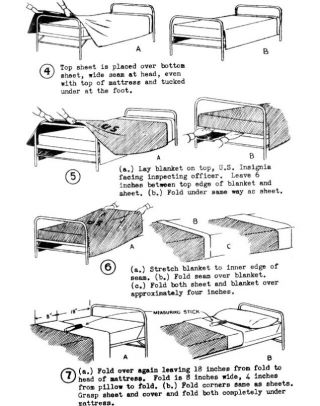
http://lifehacker.com/the-proper-way-to-make-your-bed-the-navy-seal-way-1672236856#
Source: http://lifehacker.com/the-proper-way-to-make-your-bed-the-navy-seal-way-1672236856#
Sometimes we set our goals too high: We want to lose weight, and so we vow to cut out all desserts, completely. We want to get into shape, and so we plan on getting up at the crack of dawn every day to go running. Maybe we are so disgusted with some aspect of ourselves that we think this intense feeling will sustain such plans. But for a multitude of reasons, we still fail. Our commitment vanishes as if our emotionally-charged vows were mere puffs of hot air. With each successive failure, whatever resolve we thought we had seems more hollow. Soon, even our disgust with ourselves is disgusting.
Small, consistent actions are more reliable. We have the ability and resources to complete and continue small actions. Any form of success, even if trifling and incremental, is important at first. Momentum builds on any success; nothing succeeds like success, and it feels great, too. Disgust and its memory soon dissipate, as these positive changes spill over into other domains needing and waiting for growth.
Starting small has a long history in different arenas; William James discussed it in his writing on habit (link is external). For an innovative contemporary take, I recommend Charles Duhigg's The Power of Habit. He cites evidence suggesting that the simple action of making one’s bed, when performed consistently, starts “a process that, over time, transforms everything” (Duhigg, 2012, p. 100). He calls such actions “keystone” actions.
A recent study by social psychologist Sung Hee Kim supports this idea. Kim advises undergraduate psychology majors at the University of Kentucky and has a keen interest in finding ways to help students follow good advice. To that end, she surveyed the various “micro” actions—those requiring little time, effort, or resources—that students engaged in which resulted in positive “macro” life changes.
Often, students recalled small actions, performed consistently, that they believed produced lasting, broader changes. The kind of micro actions ranged from getting up a bit earlier (10–20 minutes) in the morning and briefly reviewing course material, to writing down plans and assignments in a planner. Positive changes associated with getting up earlier, for example, included finding time to eat breakfast, reducing stress because of full class attendance, better grades, and enhanced self confidence.
On average, students reported that it took 21 days to notice such changes. Most students also reported that they had continued the action for an average of 9 months and believed the action was highly likely to continue. Although this study relied on self-reports, it provides thought-provoking material. These students’ small actions, requiring so little time and effort, seemed to foster good habits quickly and substantial self changes long-term.
lightwavemedia/Shutterstock
Source: lightwavemedia/Shutterstock

別怪運動沒成果!9件健身教練希望你停止做的事情

已經跑步、健身了一段時間,卻好像看不到顯著的成果,讓你不禁開始懷疑究竟是哪個環節出了錯,甚至萌生不想運動的念頭?事實上,問題根源可能就出在你意想不到的習慣,一起來看看由多位頂尖教練所點出、影響運動成效的常見問題!

你總是千篇一律
如果你總是做一樣的運動、路跑距離永遠都是5公里、啞鈴永遠都使用一樣的磅數,就別怪在健身房裡花了這麼多時間卻看不到成績!人體會對相同的訓練內容產生適應與慣性,導致進步幅度有限,最理想的訓練菜單就是不斷變化,別讓單一運動侷限。

你討厭你正在作的訓練
不少健身教練分享道,他看到他的學員持續做他們本身並不喜歡的運動,只因為他們覺得自己必須這麼做。如果你的行程表總是被你討厭的運動所填滿,最有可能發 生的事情就是翹課、找藉口不運動的機率大增!事實上,目前可選擇的運動型態是非常多元的,如果你不喜歡跑步,那就試試看游泳、飛輪、跳舞或拳擊,同樣都能 達到運動目的!千萬別因為你不喜歡某項運動就給自己找藉口不運動,找到最適合自己的方法才是正確的態度。

你的心態不正確
這是許多新手在開始運動前常見的心態:「我還沒準備好,等我準備好了再去」、「健身房的人身材都好棒,我應該要先變瘦一點再去運動」。此外,還有一些人會 在剛開始運動時就給自己安排強度過高、過於密集的訓練,心態不外乎是想迎頭趕上已經健身一段時間的人,或者趕緊見到成果以彌補之前不運動的時光,導致的結 果不是受傷就是肌肉疲勞導致沒辦法持續。如果你發現自己也有這樣的問題,請提醒自己循序漸進,千萬別揠苗助長。

你的運動密度安排得太即興
如果你想要明顯的運動成效並且維持這樣的效果,關鍵就在於持續。給自己安排長期的、固定的運動繼話,不要只是心血來潮或者要去度假前才刻苦訓練個一個禮拜,接下來又回到原本不運動的生活!建議可以以一周為單位,在每周日就先安排好下一周的運動計畫。

你只想到運動
想要擁有健康與好身材,光靠運動是不夠的!平日的飲食習慣、每回運動前後的營養補充都非常重要,請把自己的身體想像成一部需要燃料才能運作的機器,而你的責任就是提供正確的營養讓它能有效率的運作,千萬別一昧的節食!

你總是跳過熱身
運動前的熱身到底重不重要?雖然年輕時可能沒感覺,不過別忘了每個關節、肌肉都有使用壽命與極限,機器都會故障、更何況是人體!即使只是看似輕鬆的慢跑,也請別忽略在每次開始前先以伸展或滾筒幫助身體熱起來、做好運動的準備。

你在運動後喜歡以大餐犒賞自己
每回結束運動課程後,你總是認為辛勤又全身痠痛的自己值得來份大餐慰勞一下,事實上如果攝取的熱量和運動量不成正比,又或者在睡前給腸胃增加過大的負擔,不但對身體沒有幫助,甚至可能致胖並且影響隔天的精神狀況與表現。

你睡不夠
缺乏睡眠很可能是你在健身過程中最大的阻礙,不少健身教練指出他們的學員平常過著非常忙碌的生活,而睡覺經常被他們排在待辦事項的最後一項,導致在訓練當 中以及訓練之後,他們經常感到十分疲倦,完全沒有容光煥發的感受,運動表現也持續下降、受傷機率也隨之提高。睡眠對於肌肉的成長及恢復具有極大影響,你必 須讓身體有足夠時間休息、重整與恢復,才能讓自己變得更強壯。

你不收操
許多人在結束運動後只想趕快回家休息,因此收操經常被忽略。收操的目的是幫助減緩心跳頻率並且舒展全身筋骨、放鬆緊繃的肌肉,身體後續也能更快、更有效率的恢復,可別為了節省5~10的分鐘而小看收操的重要性。

 http://www.vogue.com.tw/beauty/massage/content-20607.html

2015年6月24日

How to Face Your Fears, One Step at a Time

Step out of your comfort zone and see how far you can go.
Post published by Amy Morin on Jun 19, 2015 in What Mentally Strong People Don't D
 Ben Heys/Shutterstock
As a psychotherapist, anxiety disorders—especially phobias—are my favorite problem to treat. When people step into my office with a debilitating fear, I'm confident that a little hard work and a willingness to step outside their comfort zone can help them conquer their anxiety.
Anxiety disorders are very common. The National Institute of Mental Health estimates 18% of the adult population experiences an anxiety disorder every year. Approximately 9% of adults experience a phobia of some kind.
Whether you’re terrified of shaking hands because you’re afraid of germs, or the thought of public speaking makes you weak in the knees, it’s possible to overcome your fear once and for all. If your situation is on the mild end of the spectrum—perhaps you take the stairs because you’re terrified of elevators—you may be able to conquer your fear without the help of a professional.
Face Your Fear Systematically
Countless research studies (link is external) have shown that exposure therapy is an effective way to treat conditions ranging from post-traumatic stress disorder to obsessive compulsive disorder. In order for it to be effective, however, the exposure should be applied in an incremental manner.
The key to overcoming a debilitating fear is to start by doing something that is only slightly anxiety-provoking. On a scale of 1 to 10, with 1 meaning no anxiety and 10 being equal to sheer terror, look for something that would raise your anxiety to level 4. Then, keep doing that activity until your anxiety decreases.
If you suffered from arachnophobia—the fear of spiders—you might start by looking at pictures of spiders. Eventually, your anxiety would dissipate and you could move onto the next step—perhaps watching a video of a spider. Eventually, you could sit in the same room with a spider who is safely placed in jar with a secure lid.
The intention of exposure therapy is to keep working slowly and steadily until you reach your ultimate goal. For someone with a fear of public speaking, the ultimate goal might be to offer one comment each week during a meeting. For someone else, the it might be giving a presentation in front of an audience of thousands. But either way, it’s important to define what success looks like to you.
Practice Imaginal Exposure When Necessary
Sometimes it’s impossible—or at least a lot more complicated—to use in vivo therapy. If you’re afraid of flying in an airplane for example, it’s unlikely that a commercial airline is going to let you practice sitting on a plane for hours as you try to desensitize yourself to your fears.
In cases where real-life desensitization isn’t practical, imaginal exposure can be used. Visualizing yourself being exposed to what terrifies you can produce a spike in your anxiety. With consistent practice, visualization can desensitize you and make it easier to face your fear in real life.
Seek Professional Help 
Unfortunately, many people suffering from serious anxiety disorders don’t seek treatment. As a result, they miss opportunities to advance their careers, or their social lives suffer. If your anxiety is interfering with your daily life, don’t hesitate to seek professional help. Therapists who specialize in treating anxiety disorders often have access to a variety of specialized techniques, ranging from biofeedback to virtual reality exposure therapy. In some cases, medication can also be used to help alleviate symptoms.
Imagine how productive could you be if you conquered your fears. When you’re no longer plagued by worrisome thoughts, and don’t need to waste time and energy trying to avoid things that make you anxious, you can invest your resources into reaching your greatest potential.

2015年6月23日

走路人人都會,要怎麼走才能變瘦變健康?

文字:yoyo  VOGUE.TW |  來源:時報出版 |  更新:4/9/2015  2 MONTHS AGO
 隨著運動的風氣日盛,對現代人越來越樂於跑步,但你可能不知道,比起跑步,健走更為溫和安全,同樣也能達到瘦身的效果。只是走路 人人都會,要怎麼走才能有效果呢?在《神奇健走力》一書中,提到健走其實是一種十分講究姿勢、速度和時間的運動,從健康層面而言,健走分為以舒心和愉悅情 緒為主要目的,速度在每分鐘九十步以內的「慢速健走」,以及以強身健體為主要目的,根據運動強度、運動頻率與運動量達到目標心率的「中、快速健走」。

Q1.怎樣健走最好?
健走運動屬於有氧運動,想持續二十分鐘、甚至六十分鐘以上都沒問題,但要消耗體內脂肪達到減脂目的,運動時間必須持續三十分鐘以上。建議選擇一個固定的時間,每天最少半小時,最好是一個小時。而最重要的關鍵,還是長期堅持。

Q2.什麼時候走最好?
運動醫學曾研究,早晨剛起來時,身體各臟器仍未完全運轉,這時候運動對心血管比較脆弱的人來說有點危險。這也是為什麼很多心腦血 管病人多在深夜和淩晨發作。因此,下午3~4點是不錯是健走時間,因為身體各個部分都已經舒展開了。若是上班族的話,建議晚飯後開始健走,每次走一小時。 大家可以注意健走一個小時,身體發生的奇妙變化,身體會開始發熱,肚子空蕩蕩的,有點飢餓感。

Q3.需要控制飲食嗎?
「日行萬步路,飯吃八分飽」怎樣判斷自己已經吃了八分飽呢?有一個很簡單的方法,就是在吃得差不多時,站起來。站起來如果感覺剛 好飽,就是八分飽;如果坐著感覺飽了,那就是十分飽甚至吃多了。健走前一定要吃主食,例如米飯、麵食,其中的碳水化合物是運動的源動力可為我們提供充足能 量。因此運動結束後也可補充一些富含碳水化合物的食品,像是餅乾、麥片或低脂優酪乳都是不錯選擇。

Q4.哪些地方適合健走?
進行戶外健走時,最好選擇空氣清新度達標的地方。一般來說,空氣中負離子濃度晴天比陰天高,夏天比冬天高,上午比下午高,海濱、高山、森林及綠地則比城市高出五到十倍。因此,公園、海邊、森林等處空氣都比較清新,最適合健走。

Q5.完成了健走卻沒有效果?
堅持下去,才是關鍵!在特定的某一天走完一萬步是很容易,但是三百六十五天每天堅持一萬步就很不簡單。堅持每天一萬步,等於建立一個新的生活習慣,啟動後的前三十天至關重要。尤其一定要做到以下5件事

1.三十天內,每天都要走足一萬步,一步也不能差,一天也不能間隔。連續堅持三十天就能看到初期成果。肥胖的朋友腰圍不知不覺間變細了;瘦弱的朋友會發現不像以前那樣容易生病了。感受到效果是堅持下去的最大動力。

2.若可以達到一萬步,那就挑戰初期的三十天內,每天至少走到一萬五千步。要把一個人從以前的狀態中徹底拉出來,需要更大的強度,找到走路的感覺和樂趣。

3.建立相互監督的環境非常重要,可以說是堅持每天一萬步中最重要的一點。在每天一萬步的初期,大多數人需要在相互監督的情況下才能養成習慣。

4.充分利用零碎時間。零碎時間加在一起是非常可觀的,只要控制速度,保持一定強度,還是能增強身體機能。

5.不要給自己找藉口。放棄第一次就會放棄第二次,一個好的習慣就此終止,能不能堅持每天走萬步,不是時間問題,而是態度問題。只要我們不為自己找藉口,每天一萬步其實是很容易做到的。

12 Things Successful Women Do Differently

Posted: Updated:
Every woman has her own definition of success. But there are certain traits that most successful women share.
I spend a good part of my work day reading and writing about women who have achieved great things -- and I make it a point to surround myself with women who are well on their way to doing so.
Here are 12 things I've learned that successful women do differently:
1. They are deeply passionate about what they do.
"Without passion, all the skill in the world won't lift you above craft," wrote dancer Twyla Tharp in her book, The Creative Habit. If you don't love what you do, you're probably not going to be motivated to go above and beyond, to innovate and to stand out in the workplace. But if you're passionate about your career, it will make putting time and effort into it pleasurable, not a chore.
2. They don't expect perfection -- of themselves or those around them.
Research has shown that wasting time and energy trying to be "perfect" only leads to unhappiness. Successful women know that that they can't do everything well all the time. Beating yourself up for your perceived flaws will only dampen your abilities at work, not to mention your mental health. "We each, if we're lucky, will have our chance to leave a mark on the world, but we are trying too hard to be perfect," wrote Barnard president Debora Spar in an op-ed for Glamour magazine. "So don't emulate Wonder Woman; think about what's wonderful to you instead. Then boldly, audaciously, joyfully, leave the rest behind."
joanna coles
3. Often, they become the boss.
Many successful women have figured out that if you're the boss, you can set your own rules. As editor-in-chief of Cosmopolitan Joanna Coles said at the Third Metric Conference in June: "The higher you go in a corporation, the easier it is ... The truth is you get more control." And when you're in control, you have the ability to create a more sane, happy and balanced workplace for yourself and your employees.
4. They marry well -- or not at all.
Successful women know the value of a true partnership. As Sheryl Sandberg observed in Lean In: "I don’t know of a single woman in a leadership position whose life partner is not fully -- and I mean fully -- supportive of her career." And many successful women forgo marriage all together. Despite not being wed, women like Oprah Winfrey, Condoleezza Rice and Diane Keaton seem to be doing just fine.
sheryl sandberg dave goldberg
5. They believe that they will be successful.
Not to go all "If you build it, he will come," on you, but believing in your own success -- no matter how crazy your idea might seem -- is integral to achieving it. Kay Koplovitz, founder of the USA Network, echoed this sentiment in a July interview. "You have to be comfortable that you can think your way through and actually execute your way through to the desired outcome," she said. "I expected to be successful." Bottom line? Confidence -- and faith in yourself -- is key.
6. They're not afraid to take risks.
Sheryl Sandberg says that all women should ask themselves the question: "What would you do if you weren't afraid?" Affecting change -- in your career and beyond -- requires the ability to stop playing it safe every once in awhile. Successful women don't make reckless decisions, but they do know how to take a calculated risk. Sandberg took her own advice, and wrote the bestseller, Lean In.
jk rowling harry potter
7. They know that failure goes hand-in-hand with success.
"Failure is not the opposite of success but a stepping stone to success," was the advice given to Arianna Huffington by her mother, Elli Stassinopoulos. Successful women know that you can't excel all the time, and that an inevitable part of taking leaps in your career is falling down sometimes. For example, 12 publishers rejected J.K. Rowling's first Harry Potter book. But that didn't stop her from continuing to send it out.
8. They take care of themselves physically.
"My morning run is when my head is most clear and when I synthesize all of the things that are going on in my head," Jessica Herrin, founder of Stella and Dot, told The Huffington Post. Many successful women have spoken about the value of regular exercise -- not because they are trying to be thin, but because they know that exercise relieves stress, releases endorphins and increases energy. "If I didn't run, swim, or lift weights, I almost certainly would have killed someone by this point in my life," wrote Debora Spar.
katie couric workout
9. They know that their to-do lists will never be completed, and they're okay with that.
Sometimes you can be more productive by accepting that you're simply not going to get everything done. Learning to let go of certain goals, responsibilities and tasks can be difficult, but freeing. Arianna Huffington has spoken about how finally allowing herself to cross unrealistic goals off her lifelong "to do" list -- in her case, learning German and becoming an expert skiier -- relieved her of a huge burden. "Getting rid of the anxiety of perpetually unmet expectations was so great," she said.
10. They make sure to schedule alone time.
Research has shown that women tend to prioritize domestic responsibilities such as housework and child care over themselves. Successful women know that they need to schedule alone time the same way they plan meetings, family dinners and networking events. "I’ve found if I don’t literally put pen to paper (or create a Google calendar appointment) and carve out an hour for myself, it never happens," Mary Kate McGrath, editor in chief of PureWow told The Daily Muse in March. "So that’s what I do. I literally invite myself to manicures or an extra 20 minutes in bed, and I’ve been known to take myself out for a Manhattan once in a while, too. (I’m a great date.) And my new rule: I’m not allowed to cancel on myself."
diablo cody
11. They know how to foster genuine relationships -- and keep them strong.
Having a support network is key to being successful. Keeping up your friendships and forming new ones at every place you work makes you happier and helps your career later on. In 2009, Diablo Cody told the New York Times about the importance of her relationships with fellow female filmmakers Lorene Scafaria, Dana Fox and Liz Meriwether. "They helped me be excited for things when I was kind of shellshocked," she said. "They were the ones who had to literally take me aside at the 'Juno' premiere and say: 'This is fun. You will never forget this. Please enjoy yourself.'"
12. They express gratitude to those around them.
No woman's success happens in a vacuum. Wildly successful women acknowledge those that support them every day -- both in their home lives and at the office. And that graciousness not only makes them better people, but fosters loyalty from their employees. Oprah is one powerful woman who understands the value of appreciating her employees. In 2009, she took her entire staff and their families on a Mediterranean cruise.

我與自己的16個約會:喜歡獨處的你不妨嘗試一下


你喜歡獨處嗎?一到週末,不少人都會積極地去邀約朋友吃飯、逛街、看電影,就算不想出門,也 都會叫朋友過來家裡作客,說白了其實就是害怕孤單。慢慢地,我們習慣了這種熱鬧的生活方式,於是便忘了其實偶爾我們也應該為自己留點獨處的時間,去沉澱自 己,去自私地、無所顧忌地做自己想做的事。下面是16件適合一個人去做的事,也歡迎大家一起來留言分享一下你獨處時最愛的節目。

1.去看一部你期待已久但朋友都不感興趣的電影

自己一個人去看電影,無論那部電影是特別催淚,會讓你眼淚流個不停,亦或是你喜歡但卻毫無營養的爛片都無所謂,因為你不需要擔心身邊人怎麼看,還沒習慣獨處的朋友最好選擇一早或者是午後場,人會相對少一點。

2.一個人去旅行

和別人一起去旅行,要去哪裡、要吃什麼都必須有商有量,所以難免會需要妥協。想擁有一場完全隨你心意的旅行嗎?那麼真的不妨考慮下不找旅伴,不一定要去很遠,哪怕是周邊的國家、城市都可以。感興趣的朋友請參考《世界上15個最適合獨自旅行的地方》


3.請自己去一家有格調的餐廳用餐

帶上一本你想看很久的書去一家你期待已久的餐廳用餐吧。放下手機,為自己騰出兩個小時來享用“精神食糧”與美食,絕對是一種享受,而且不用擔心有人 會分掉你的食物。因為是一個人,所以不推薦去那種特別多人的餐廳,最好能有格調一點,安靜一點,價格稍貴些也沒關係,就當是在犒勞自己。


4.去逛博物館、藝術館、書店

博物館、藝術館,如果你並不是愛好者,那麼很多時候都是因為學校要求的才會去,但如果碰上有趣的展覽,那麼真的不妨一個人去欣賞一下,這樣的活動可以豐富你的見識。如果你對這些無感,書店會是另一個好選擇。


5.請自己去做Spa

活著不容易,因此我們更應該學會寵愛自己。如果你實在不習慣一個人的約會,那麼去做Spa或者按摩吧,不需要擔心別人的眼光,可以自己好好放鬆一下。


6.瘋狂煲劇

既然是“約會”,自然要和平常窩在電腦前煲劇要有區別,比方說在零食飲品方面,錢包允許的話最好買一些精緻高級一點的小吃來代替薯片這類零食,然後 用漂亮的餐盤裝好,飲品的話,可以是雞尾酒、紅酒,或者是自製的特飲,然後換上睡衣,窩在沙發上煲劇,如果是秋冬季的話,記得為自己準備一張保暖毯和兩個 抱枕。

7.去聽音樂會

不是演唱會哦,而是那種小眾一點的音樂會,或者是清吧裡的表演,一個人去,點一杯喜歡的飲品,叫一份下酒的小吃,慢慢去感受整個氛圍。因為是一個人的約會,所以更能夠認真地去專注於台上的表演。


8.一個人去唱K

心情不好想發洩的時候,不妨考慮下一個人去唱K,好像韓國就有那種適合一個人去的K房,如果你所在的城市沒有,那麼可以挑選一家你和朋友平常不會去的,這樣的話心理壓力會小很多。 

9.坐在路邊咖啡店觀察來往的路人

聽起來很無聊,但對於想要理清思緒或者找靈感的創作者來說,這會是一個不錯的選擇。午後去咖啡廳坐坐,然後選個靠窗的位置坐下,聽著歌、看著來往的路人,感受著他們的故事,感覺會很奇妙。
我與自己的16個約會:喜歡獨處的你不妨嘗試一下 1


10.完成你一直拖拉著的事

不要再給藉口自己,在這屬於你的一天裡努力去完成一直拖拖拉拉做不完的事情吧,比方說更新的你簡歷、看完看了一半就丟在一邊的書、整理好你的衣櫃等等,相信我,完成之後你會感覺如釋重負,而且特別有成就感。


11.挑戰自己

比方說去報名參加為期一天的興趣課程,或者是跑一場馬拉松,總之就是要利用這個機會去讓自己變得更加出色。

12.去爬山或者去海灘

多親近一下大自然,不要帶旅伴,一個人背上背包去放空,清理一下腦袋裡的雜念和煩惱,享受最純粹的時光。


13.嘗試新菜譜

學做菜,最怕就是辛苦做出來,別人卻大呼難吃,所以不妨趁著獨處的時間躲進廚房提升烹飪技能。搞砸了?沒關係,反正只有你自己知道,你可以邊做邊寫 筆記,直到烹調到最理想的狀態。記得哦,開始前要為自己準備好一杯飲料,比方說紅酒或者特飲,然後聽著歌來做,好心情會幫助提升成功率。


14.去嘗試一種新的健身課程

比方說Zumba、Booty Barre,最好是氣氛比較活躍的那種,這樣比較能夠調動起積極性,讓時間過得更快。


15.進行有目的性的逛街

你很清楚自己要買什麼,這種情況下如果帶上朋友一起去逛街,會減慢你的速度,畢竟別人也會忍不住挑選起來,難道你會自私地要求你不感興趣的店別人就不給進去看嗎?所以最好就是一個人出動。


16.洗泡泡浴

如果家裡有浴缸,不妨洗個泡泡浴,準備好放鬆的音樂、飲品、雜誌或者平板電腦,點上蠟燭,然後一邊敷面膜一邊享受精油泡泡浴,感覺無聊的話還可以邊泡邊看電影或者網購。

「她們相信自己」,這些是成功女性都擁有的12項特質


社會上的成功女性總是為我們帶來激勵人心的力量,她們勇於在這個依舊是由男性主導的社會走出屬於自己的路,也設下典範讓我們知道每個女孩其實都擁有無限潛力,不應該在傳統價值下就束縛了自己的可能性。雖然每個人對於成功都有不同的定義,但時常撰寫相關文章的網路作家Emma Gray發現這些女性其實有許多相似處,一起來看看以下12點成功女性都擁有的特質,希望每個女孩都能勇於活出自我,找到人生的熱情所在。


1. 她們極度熱愛所做的事

「缺乏熱情,就算擁有再多技巧也無法將你變成」,知名舞者Twyla Tharp在她的書中《The Creative Habit》寫道。如果你不愛自己所做的事情,恐怕也很難有促使你想更進步、超越自己的動力出現,相反的,若你對於從事的職業充滿熱情,那麼每個所付出的 努力都會是享受的過程,而非僅是義務而已。


2. 她們並不期待自己或他人是完美無缺的

研究顯示將時間與精力花在試圖成為「完美」上最終只會導致不快樂而已,成功的女性深知自己不可能每件事都做到盡善盡美,責備自己做得不夠好只會降低 工作上的表現,更別提心理上的影響了。「如果夠幸運,我們每個人都有機會在這世界上留下痕跡,但多數人卻花了太多力氣在讓自己變得更完美上。別跟其他人 比,你該想的是自己所擁有的美好特質,勇敢的、無畏的、快樂的…,剩下的都不重要。」,美國女子大學巴納德學院校長Debora Spar受訪時表示。

3. 她們常會選擇當主導的人

許多成功女性都明白,只有成為主導者才能夠用自己的方式做事。女性雜誌Cosmopolitan主編Joanna Coles 就曾說過:「其實你在一間公司爬得越高,事情也會變得更容易…,因為你獲得了更多控制權。」,掌握主導權的人才有能力為員工與自身創造出內心嚮往的平衡、 快樂、專注的工作環境。


4. 她們擁有美好的婚姻關係,要不則是不結婚

成功的女性們了解真正健康的伴侶關係之重要性。Facebook營運長Sheryl Sandberg就在書中寫道:「我至今從未遇過任何一個站在領導階層的女性,她們的伴侶不是全然、徹底的支持她們的職業。」,同樣的,也有需多成功女性 選擇完全不要婚姻,諸如Oprah Winfrey、Condoleezza Rice及Diane Keaton,她們在職業上相當有成就,生活看來也過得十分美好。

5. 她們相信自己會成功

無論你的想法有多瘋狂,相信自己會成功是達成目標的關鍵。USA Network創辦人Kay Koplovitz說過:「你要知道你可以想像這一切成功的樣貌,並且實際執行去達成。我總是抱著會成功的期望,自信跟對自己的信念是關鍵。」


6. 她們不害怕承擔風險

Sheryl Sandberg告訴所有女性,每個人都該問自己這個問題「如果今你無所畏懼,那你會想做什麼?」,無論是在職場或其他事物上,如果想超越自己就不該老是 躲在庇蔭下打安全牌。成功女性不會冒然行事,但她們會在經過理性分析後敢於承擔風險。Sandberg自身就是這麼做的最佳例證,也寫出了暢銷著作 《Lean In》。

7. 她們知道失敗與成功兩者是並行的

「失敗並不是成功的反面,而是走向成功前的基石之一。」,Arianna Huffington的母親曾給過她這樣的鼓勵。成功女性深知自己不可能事事如意,有時候在成功前偶爾讓自己跌跤是無可避免的,《Harry Potter》作者J.K. Rowing正是最好的例子,即使被12家出版社拒絕,她也不曾停止投稿。


8. 她們懂得照顧自己的身體

「晨跑的時間是我一天當中頭腦最清晰、也最能組織所有事物的時候。」,Stella and Dot創辦人Jessica Herrin受The Huffington Post訪問時表示。許多成功女性都曾公開提及規律運動的重要性,不是因為想瘦身,而是明白透過運動能釋放壓力、產生腦內啡並增強體能。另外Debora Spar也曾寫道:「如果我沒有跑步;游泳或去舉重的話,現在可能早就去殺人了。」

9. 她們知道要把每天的代辦是做完是不可能的事,也欣然接受這個事實

有時候接受自己無法把全部的事情處理完反而能讓你做事起來更有效率,學會放下某些目標、責任或工作不是件容易的事,但卻會為你帶來更多自由的感受。 Arianna Huffington曾經說過自己終於捨棄那些人生中不實際的代辦清單,諸如學會德文、成為專業溜冰好手,就像是肩上的巨石突然被搬走了。「能夠擺脫焦慮 跟這些無法達成的期待的感覺實在太棒了。」


10. 她們會為自己預留一個人的時間

研究顯示女性常會將家事及照顧孩子這些事情擺在第一位,但成功的女性知道自己必須為自己安排個人時間,重要性就像是她們在安排會議、家庭聚餐、社交 活動一樣。「我發現要是自己不在行事曆上記下哪時候要留時間一個人,就永遠不會做到。」,PureWow主編Mary Kate McGrath向The Daily Muse表示。「我會跟自己約會,像是一個人去做指甲或是讓自己在床上多待20分鐘,每隔一段時間就會讓自己離開曼哈頓,而我最新的原則是:絕對不行取消 自己的約會。」


11. 她們懂得灌溉真摯的友情、維繫緊密關係

擁有一個支持你的圈子是成功的關鍵之一,維繫友情並在每個工作場合都建立起新的友誼會讓你活得更快樂,對未來事業也會有所幫助。2009年時 Diablo Cody曾告訴New York Times和其他製片女性Lorene Scafaria、Dana Fox及Liz Meriwether之間的感情對她來說有多重要「當我進入疲乏狀態時,是她們幫助我重新燃起對事物的熱情。在《Juno》首映當天,她們甚至把我帶到一 旁告訴我:『會很有趣的,你絕對不會忘記接下來要發生的事,好好讓自己享受好嗎?』」


12. 她們總是對身邊的人表達感激

成功絕無法只憑一己之力,那些有所成就的女性會記住支持她的人們,無論是在家中或公司,而懂得感激不僅使她成為好的人,同時也會培養員工忠誠度。Oprah就相當了解感激員工的價值,她還曾帶著全體職員及他們的家人一起享受地中海郵輪行程。

2015年6月22日

One Exercise Sure to Make You Feel Better About Yourself

With a minimum of effort, change the way you see your world.
Post published by Jennice Vilhauer Ph.D. on Jan 17, 2015 in Living Forward
 I have been treating patients using cognitive therapies for almost 15 years, and one of the most successful exercises I have ever seen work to help them re-engage their sense of well-being is so simple that each and every time I convince someone to do it, I am still remarkably struck by how effective it is.
Before I share this exercise with you, I want you to know that the difficult part is not doing the activity. It is making yourself believe that the activity will have enough benefit that you will put forth the actual effort to do it, and experience the results.
Often when I give this assignment to patients, they come back for two or three weeks afterward, still not having tried it. That's OK; I'm so certain they will not try it initially, that I generally don’t even assign it until I have been working with them for several weeks and have had sufficient time to coach them into understanding the benefits of shifting their attention and thinking; how it relates to brain functioning; and how it affects their mood, so that they understand the value of what I am asking them to do.
OK, so what is the exercise?
  • Keep a pad of paper next to your bed and every night before you go to sleep, write down three things you liked about yourself that day.
  • In the morning, read the list before you get out of bed.
  • Do this everyday for 30 days.
These don’t have to be big things, like I am a kind person; they can be simple, such as I like that I held the door for my co-worker, or I like that I didn’t lose my temper in traffic today, or I like that I am making the effort to try this exercise even if I’m not sure it will work...
For someone who is depressed, this activity feels like a lot of effort. Why? Research shows that people with depression have what is referred to as an attentional bias for negative self-relevant materials. They also have impaired attentional control, which means that once a negative schema is activated, they tend to ruminate on it and have difficulty disengaging and shifting their attention to something else; consequently, there is sustained negative affect.(1) Essentially, people with depression generally spend a good deal of time thinking about what they don’t like about themselves—and they have a hard time stopping.
The more time you spend thinking about something, the more active it becomes in your mental space—and the easier it becomes to access. Also, the more you think of something, the more it primes your brain to keep looking for similar things in your environment, creating a selective filter that not only causes you to sift your environment for things that match up with what you are thinking about, it actually causes you to distort ambiguous information in a way that matches up with your dominant thoughts.
Someone with depression who goes to a party might get 10 compliments, but if one person mentions the shirt he is wearing is “interesting,” that person may likely go home and fixate on the ambiguous comment and turn it into a stream of thinking like this: I wonder what was wrong with my shirt, I probably looked silly in it, I bet they all thought I looked like an idiot. What’s wrong with me? Why can’t I ever get anything right? This is so humiliating. The 10 compliments have long been forgotten.
So how will this exercise help you?
Research also shows that it requires more attentional effort to disengage from a negative thought process than a neutral one.(2) This simple-to-do but nonetheless effortful exercise essentially helps you build the strength to disengage from any negative thought stream; redirects your attention to positive aspects of yourself; and retrains your selective attention bias.
As you do this, you not only start to become aware of more of your positive attributes, they become more available to you as you interpret events around you. Compliments become something you can hear and accept because they are more congruent with your new view of yourself. You start to interpret events occurring around you in a less self-critical way. If you stick with it, over time this has a compounding effect that elevates your overall sense of self-worth—and, subsequently, your well-being.
But remember: There is no benefit to your mental health in just understanding how the exercise works, just as there is no benefit to your physical health in knowing how to use a treadmill. The benefit comes from the doing.

贏家邏輯:愛在心中口要開

文字:tianesu  VOGUE.TW |  來源:好優文化《贏家邏輯》 |  其他:作者/徐渭文 |  更新:6/19/2015  2 DAYS AGO
 贏家的邏輯,其實就是策略的規劃,我們每個人都是策略的使用者,隨時都面臨著不同的行動選擇,隨時都在計算著應當採取何種行動。 在《贏家邏輯》一書當中,透過日常生活中常見的例子讓大家了解「贏家怎麼想」,如果希望成功,要先能夠改變自己的思考邏輯,才能在職場、生活、情場掌握勝 局!


愛在心中口要開
愛情的規則是先動的一方占有主動優勢。不管女方貌若天仙,還是男方英俊瀟灑,身陷愛情賽局中的人,別因此自慚形穢,只要把握主動權,率先表達愛意,就很有可能獲得對方青睞。
有個男孩非常喜歡一個女孩,但他把感情藏在心裡,不敢說出口。後來另一個男孩先告白,女孩就和先表達愛意的男孩談戀愛了。不敢說出口的男孩後悔不已,因為他沒有遵循愛情裡的規則──要採取先動策略。

如果一個人看《新娘百分百》(Notting Hill)到三分之二時還沒有熱淚盈眶,那他一定沒有真正渴望過愛情。
大牌影星安娜‧史考特走進倫敦諾丁山的一家小書店,一杯柳橙汁使離婚後愛情生活一直空白的威廉‧薩克,意外的得到了安娜的吻,兩 人相愛了。 然而威廉‧薩克是個害羞的男人,或者說是一個不主動的男人,所以只能由安娜採取主動。第一次去他家,她出門後又回來;在車站再次邂逅,她邀請他去自己家 裡;之後為躲避記者跟蹤,她到他家過夜,也是她主動走到他床邊;後來因為前男友介入,她和他有了誤會,也是她主動上門要求重修舊好…… 那個憨厚純良的男人,或許覺得這種幸福是不真實的,一次次缺乏愛的勇氣,一次次躲避愛情的大駕光臨。

那些禁不住熱淚盈眶的觀眾,一定了解女主角內心的溫柔和焦急:主動、我得主動,否則我的愛情就要不翼而飛了。
或許我們在生活裡也有這樣的經歷,「思君子兮未敢言」、「心念君兮君不知」,彷彿誰都能看出自己的心意,除了心愛的那個人之外。害羞的人只敢傻傻地在一旁觀望自己的愛情,像局外人一樣不敢介入。
在經濟學上有一個先動優勢,指在一個賽局行為中,先行動者往往比後行動者占有優勢,從而獲得更多收益。也就是說,第一個到達海邊 的人可以得到牡蠣,而第二個人得到的只有貝殼。或許我們可以把它理解為先下手為強。例如第一個說「我愛你」的人,總是比之後其他追求者更讓我們印象深刻, 哪怕那時只和他在校園裡牽牽手、散散步,到很老的時候,我們也不會忘記他(她)。

但愛情中,先動優勢往往會形成慣性。一個人主動了第一次,以後就得永遠主動下去,他(她)愛的那個人已經習慣任何事都由他(她)發起,這或許是個性使然,也或許是習慣使然。
共鳴和分享式的愛情才會有持久的生命力。當一個人在一場戀愛中,發現對方只是一個道具,這個愛情故事基本上只有他一個人在唱獨角戲,這將是多麼遺憾的事情。
所以在愛情裡,要耍一點小伎倆,先主動,占有了優勢後,不妨把腳步放慢,讓對方跟上來。兩個人步調一致了,愛情才能經營得好。《新娘百分百》的結局,威廉‧薩克鼓起勇氣直闖記者會,在關鍵時刻向心上人表達了自己的心聲,贏得美人歸,這就是進步。

在愛情賽局中,先表白與採取主動,是追求戀人的最好策略。

哪裡來的自信?讓你越來越美麗7秘訣

文字:Yoyo Su, Tori Hsu  VOGUE.TW |  來源:TPG |  更新:5/19/2014  1 YEAR AGO
 自信是每個人精神和動力的堡壘,有自信的女孩走路有風,笑起來溫暖人心;或許她們不是美若天仙,也不會總在路上撿到錢,那是哪來 的自信讓她們總是有道亮晶晶的光芒打在她們身上?其實在生活中,不管是處事態度還是身體的保養,都對自信的養成非常重要,就算是現在才開始努力也不遲。因 為套句老話:「相由心生」,心漂亮了,人就美了!

1.化妝有助自信提升
外國研究就指出,逾9成的女性在使用美妝產品時,自信感會大幅提升,更別說能讓雙眼更迷人的睫毛膏或是存在感十足的唇膏了。所以,別經常素顏出門溜達,就算只是簡單的淡妝,也能使你有整天的好心情。

2.美不是鑽牛角尖
鏡子能清楚反映出一個人的形體,它應該是我們的好夥伴,而不是讓人沮喪的工具。人不是完美的,自信不是靠吹毛求疵能達成,減短你在鏡子前盯著身體細節觀望的時間,因為你可能會對些許的瑕疵感到憂慮或失望。而當你從鏡子裡觀詳自己時,只要著重在最喜歡的特徵就好。

3.運動的習慣
其實運動不僅是個風潮,它更是建立健康身體和活力的來源。不管是快走、慢跑、拳擊或是瑜珈,除了能加速代謝達到流汗的運動效果,其中產生的啡肽效應能愉悅神經,讓我們感到紓壓。一方面讓身體曲線更緊致,還能創造快樂心情,可以說是最自然的療法了。

4.嘗試重量訓練
女生們可能會被重訓給嚇到,難不成要練出卜派般的肌肉,才能自我感覺良好嗎?!不是的,其實女生的體質和男生不同,適當範圍內的重量訓練,只會強化細節肌肉,讓妳更有線條。而身體的狀態自然也會影響妳的心理,肌肉的鍛鍊的過程也會使妳的意志力更堅強。

5.開始正面思考
女生們聚在一起,關於外表的討論肯定少不了。「哎呀,該減肥了」、「天阿!我的皮膚變好差」…,這些句子甚至變成招呼開場白。但是,這樣的話題該停止了。人不愛美天誅地滅,與其讓這樣互相較勁的氣氛傳染,不如將話題轉致更正面的話語導向,多稱讚別人。

6.重視與自己的相處時間
自信的人都能從容的與自己相處,就算孤身一人,也能自得其樂。與朋友家人外出、相聚是很快樂的事情,但妳的生活應該以自己為重心。爬山、閱讀、Spa…,這些活動不只讓妳獲得清靜的時光,也給自己空間思考和計劃。

7.不要發懶
或許妳沒發現,肢體動作和思考其實有關連!上班上課,的確讓人在閒暇時刻想癱軟發呆,但這樣的動作不但不利於放鬆,還讓妳越發懶散。所以疲累的時候,可以拉拉筋泡個澡恢復精神,但千萬不要像條無骨蟲賴在沙發上一整天。

吃斋的猪

猪现在的三餐多是吃蔬菜瓜果类。 偶尔蔬菜碗中加几片薄薄的肉片或鸡蛋增添点滋味。 吃素吃多了脸色也绿黄绿黄的。 本来都正在步入中老年人的步伐,脸色已经非常灰暗了,再加上营养不均匀的三餐。 猪脸越见丑陋,自己都不想看到镜中的自己。 这样的伙食也使猪脚步乏力,整天缺乏动力。 只想躺着不...